
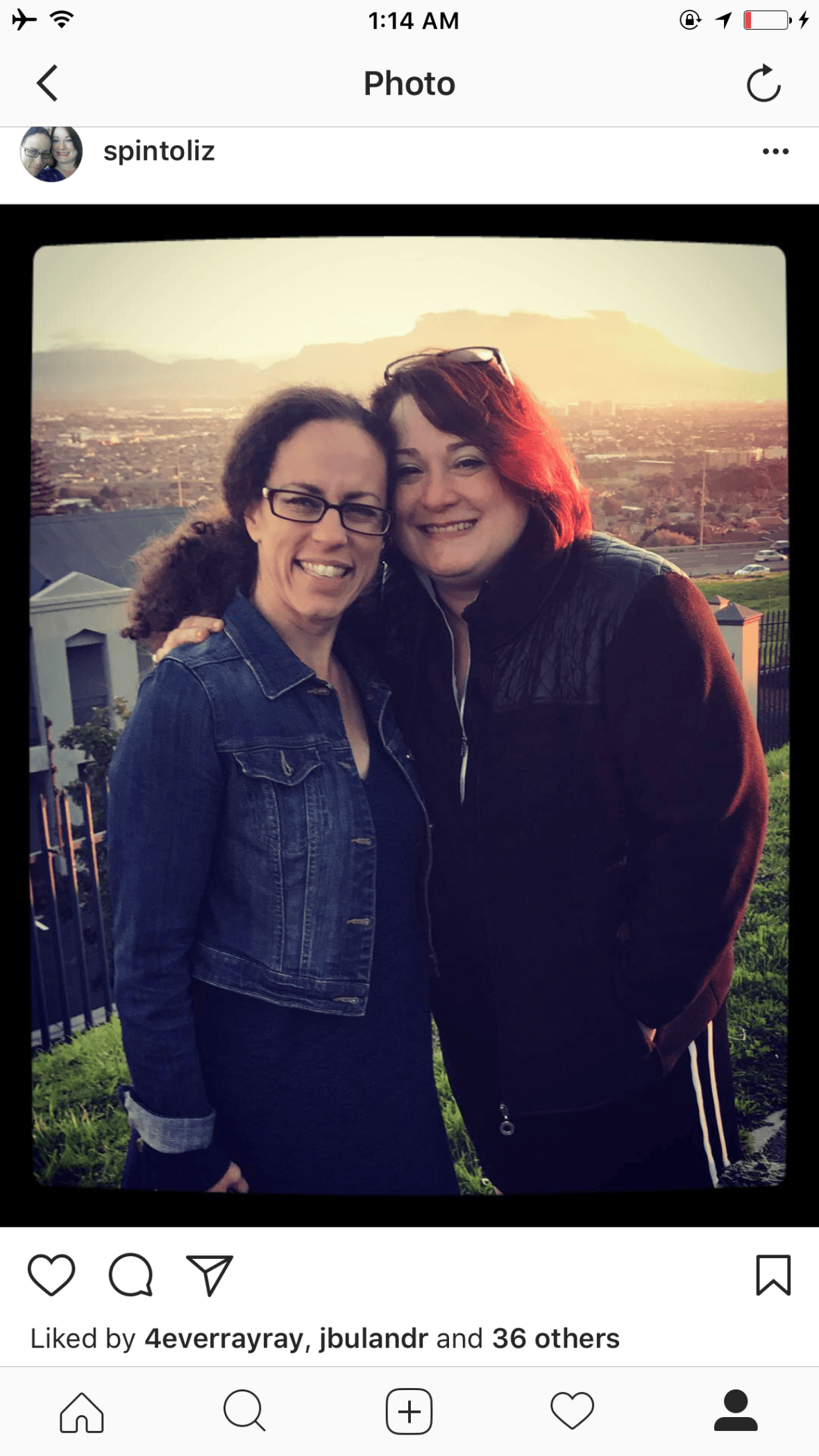
SOUTH AFRICA πŸ‡ΏπŸ‡¦ 2017


South Africa Western Cape Trip

August 2017

“Hope is when you can hear the melody of the future. Faith is when you can dance to the melody.”

OBSERVATIONS 

1. Many of the vehicles that I saw on the road were white. Driving on the left side of the road with the wheel on the right took some adjusting.  

2. There is much more smoking here. 

3. There is much rr rolling in the Afrikaan language. 

4. The language delivery is very expressive and dramatic. 

5. There is Wifi in many places; “always on” is a popular hotspot. Gone are the days of Internet cafes. 

6. South Africans seem to like their ice like the US. 

7. The dollar is very strong; 13/14 rands to $1

8. It is a very clean country. Someone is always wiping off or beautifying. 

9. There are many hitchhikers. We saw a lot of people walking on directly in the shoulder of the highway.  

10. Shoe sizes are 1 size bigger than the US 

11. A lot of this country isn’t 3rd world. 

12. Cannibus Oil “Zulu blues” is all the rage

13. Choir warmups use a lot of R “Brio 54321”

14. Takeaway means “to go.”

15. Zuma (the president) is greatly disliked. They were voting on getting him out of office when we were there. It wasn’t successful however. The county is having financial difficulties. 

16. Mathomb is a great radio DJ. 

17. Cars sales in Cape Town are big business.  

18. The Cape Town Aquarium would be a great trip for SA kids.

19. Many locals we met are Fromm Zimbabwe. They said there is little work and food there and they wish they could go to the us. They had positive reactions to America. One was surprised that the US doesn’t have the tasty, fruity grapetizer drink. They exclaimed “the US has everything!”

20. There is uber in South Africa but not lyft. 

21. What’s app is a great way to communicate overseas. Verizon doesn’t really have cell service towers here; 2.99 a minute. 

22. We spoke to many people about their apartheid challenges from different skin colors, identities, and economic realities. They were very open about their experiences. One story in particular stick with me. There are many hues of people of color here. You are classified here more by class rather than skin color. A colored women I met shared the following story with me. When she was visiting a former whites only venue, another woman of color pointed at a “white appearing” woman and said “she must miss the old days when it wasn’t mixed here.” The white woman she was pointing at was the first woman’s mother. 

23. Bad words in Afrikaans are very fun to say especially when dramatically delivered. 

24. Dankie is thank you in Afrikaans (like donkey.) Braai is BBQ. Slaai is salad.  

25. Restaurant scrambled eggs were runny.

26. Our friends say, “I need to have a pee” instead of “I have to pee”

27. Even though it was winter in South Africa, I didn’t get too cold. I was often asked “aren’t you cold Elizabeth?”

Thursday 8.3.17 

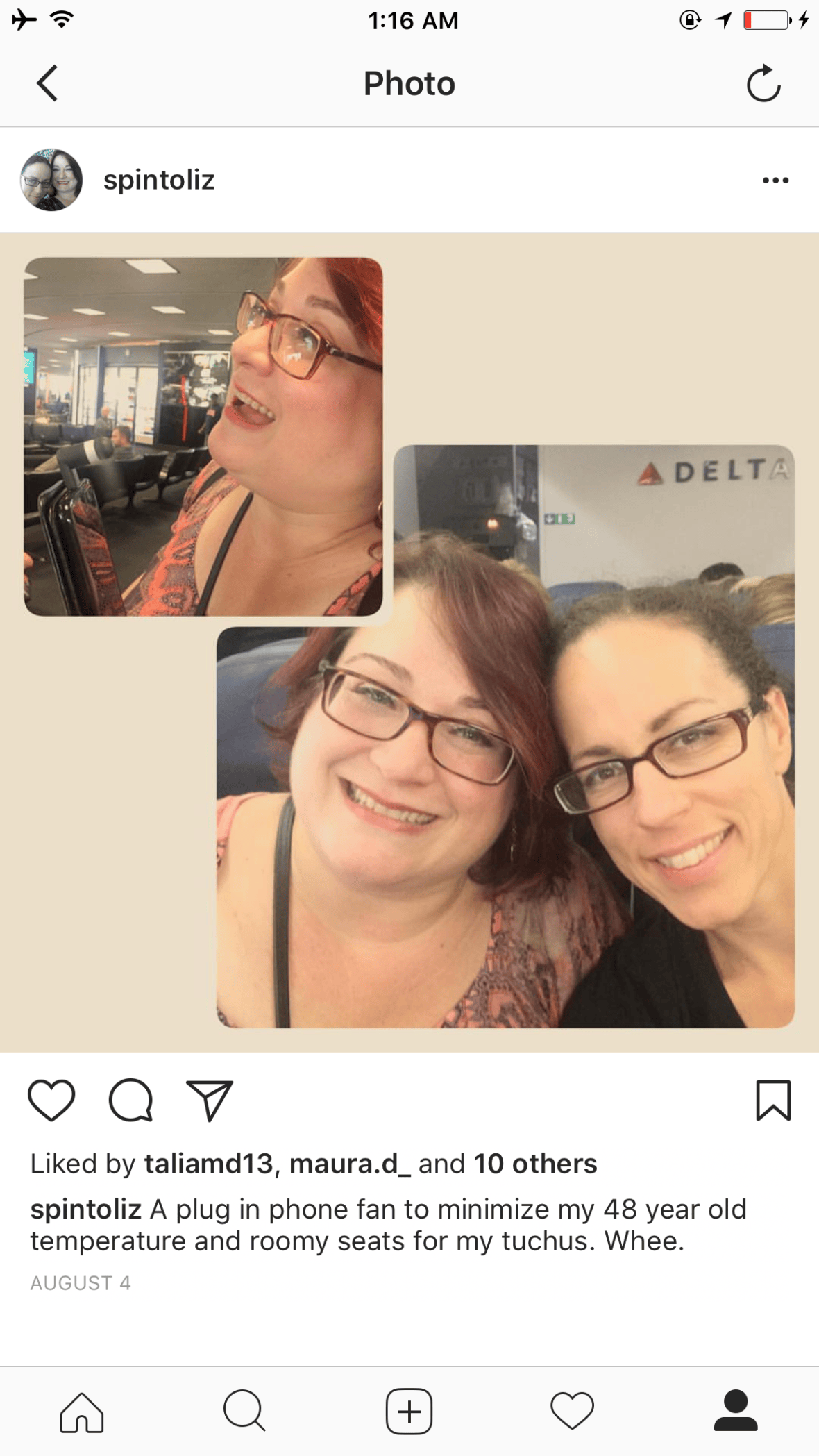
We had our universal chargers, walking shoes, and temperate winter clothes. We were ready to visit my friend Tarnia and family in Capetown. Tarnia and I were at music school together in 1989 at Eastern Illinois University. It had been 28 years. It was time high time to visit her in her homeland. Elizabeth and I took a Lyft at 230pm to EWR. Our check in and the security line was pretty painless. We flew Delta airlines to Amsterdam then KLM to Capetown. My phone fan attachment made this 48 yr old’s travel life much happier. The TSA in Newark assumed we were together since according to them, we seemed friendlier to each other than the way most people act in NJ. My 4.2 ounce hairspray stopped me at security and went bye bye. Boo. We both checked a suitcase without fees. Yay. The planes were much nicer and roomier than domestic. My tuchus had extra room and the tray table fit. Imagine. The kids on the plane were so cute. A little girl was running down the aisles in her pajamas. Eliz suggested a pillow fight but I don’t think the non jovial flight attendants would have been game. After 5 years, I am glad to have new un-scratched and crooked-less glasses that don’t hurt and “nooz” readers attached to my purse ready to go when in a pinch. We had screens on the back of our seats. Gone are the days of one movie and a few screens. I tried to watch King Kong skull island but wasn’t enthused. I did watch woody Harrelson in Wilson and enjoyed it. I also watched Split and was impressed by James McAvoy but annoyed and confused by the movie itself. The first flight was only 7 hours and there was wifi which was nice.  

Friday 8.4.17

We landed in Amsterdam at 730am their time. 

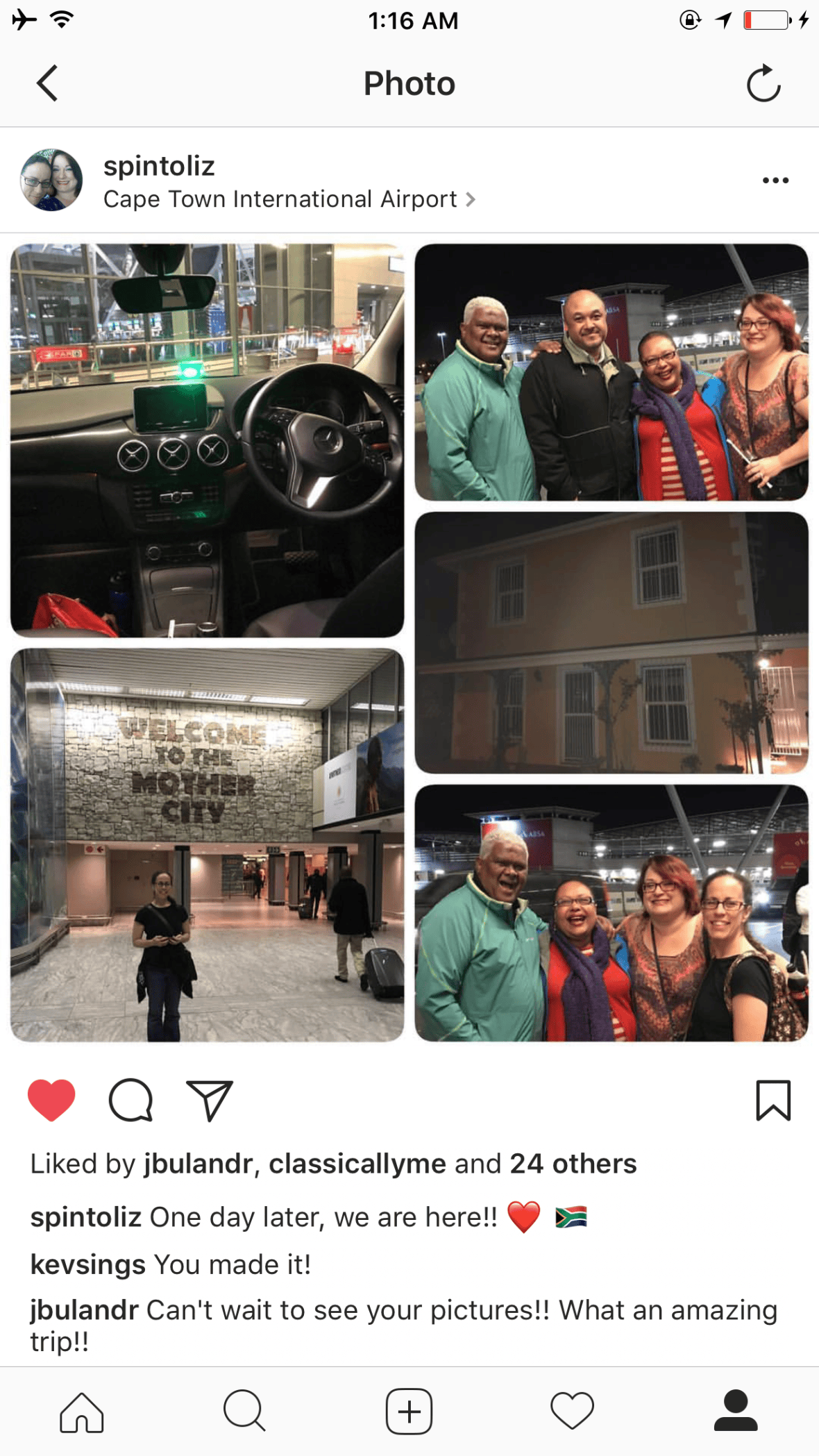
We had a two hour layover. Debit cards work everywhere now so I got some of my orangina drink and a holland magnet. No more travelers checks. Our flight to Capetown left at 10am. This was a long flight. Over 11 hours. And no wifi. So I watched many good movies including German film about an orphanage in the 60s, “the day will come,” Spanish film about Brazilian singer “Elis,” and another Spanish film about Argentina singer “Gilda.” Great movies. They fed us a lot: two meals, a light meal and snacks. The flight was full but a calm group of folks including well behaved small kids. We were however very ready to get off the plane. Our friend Clinton (Tarnia’s brother) met us first at the airport and friends Tarnia and David (Tarnia’s partner) came shortly thereafter. Capetown airport is very nice. We weren’t tired even though we hadn’t slept in two days. We stayed up and chatted for a few hours when we got to David and Tarnia’s house in Somerset West. They gave us some tasty wine, awesome amarula, and delicious Appletizer (a less sugary version of Fanta in the states.)

Saturday 8.5.17

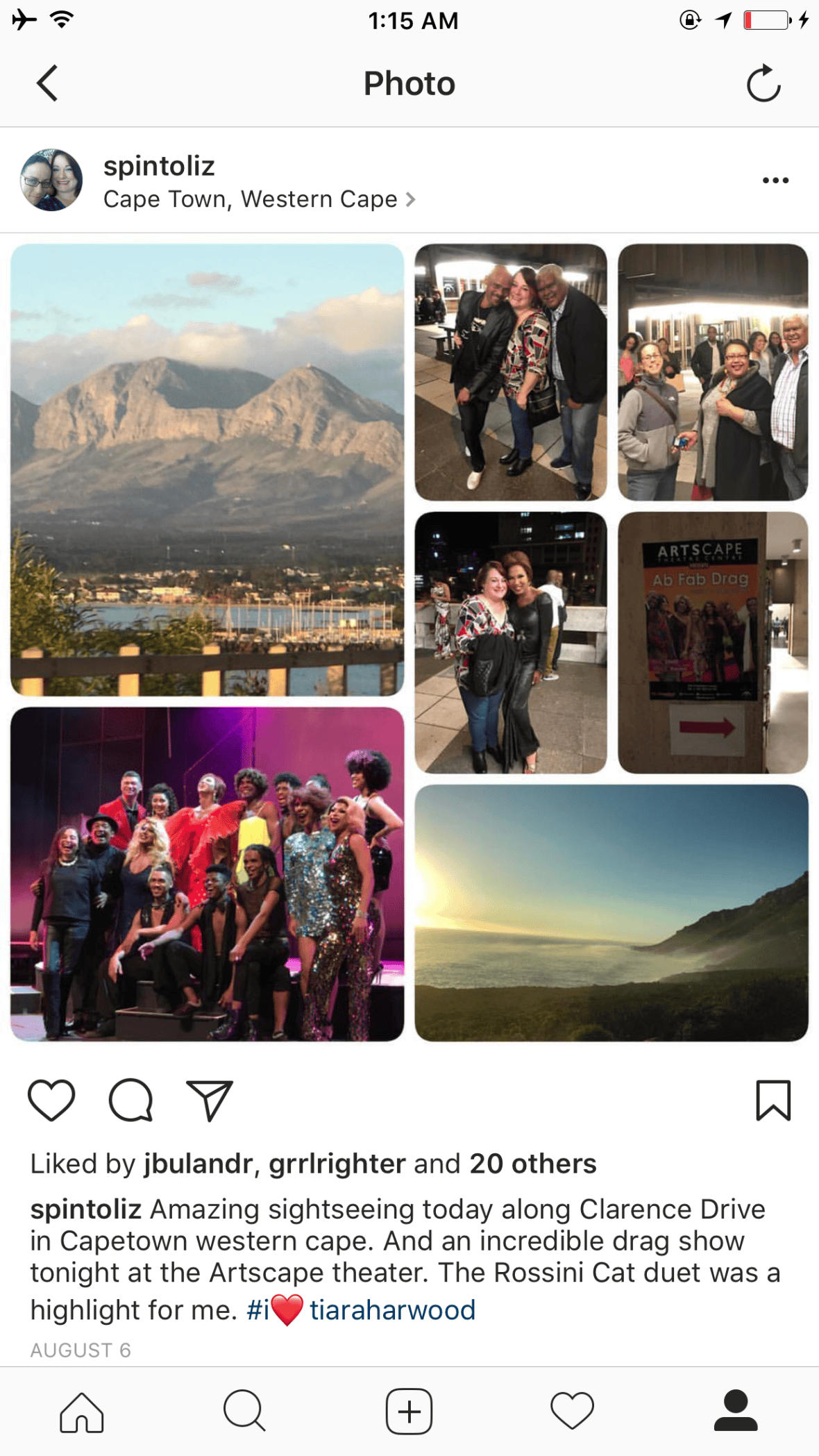
We had a lovely continental breakfast and relaxed in the morning. That afternoon we explored Gordon’s Bay and Clarence Drive. This was an unbelievable drive and view of Cape Town. We met friends of Tarnia and David, (Ingrid and Maliaka) who live in a neat, artistic seaside village called Pringle Bay. We enjoyed fresh sea food called hake and snoek which is indigenous to their waters. We ended the day by seeing an outstanding drag show at the Artscape theater center “ab fab drag.” It is women’s appreciation month. The performers shared their moving personal stories and performed an amazing show including my personal favorite, the Rossini Cat duet. What. Tarnia used to work as a project and logistic manager at Artscape so we were able to meet many of her talented colleagues.

Sunday 8.6.17

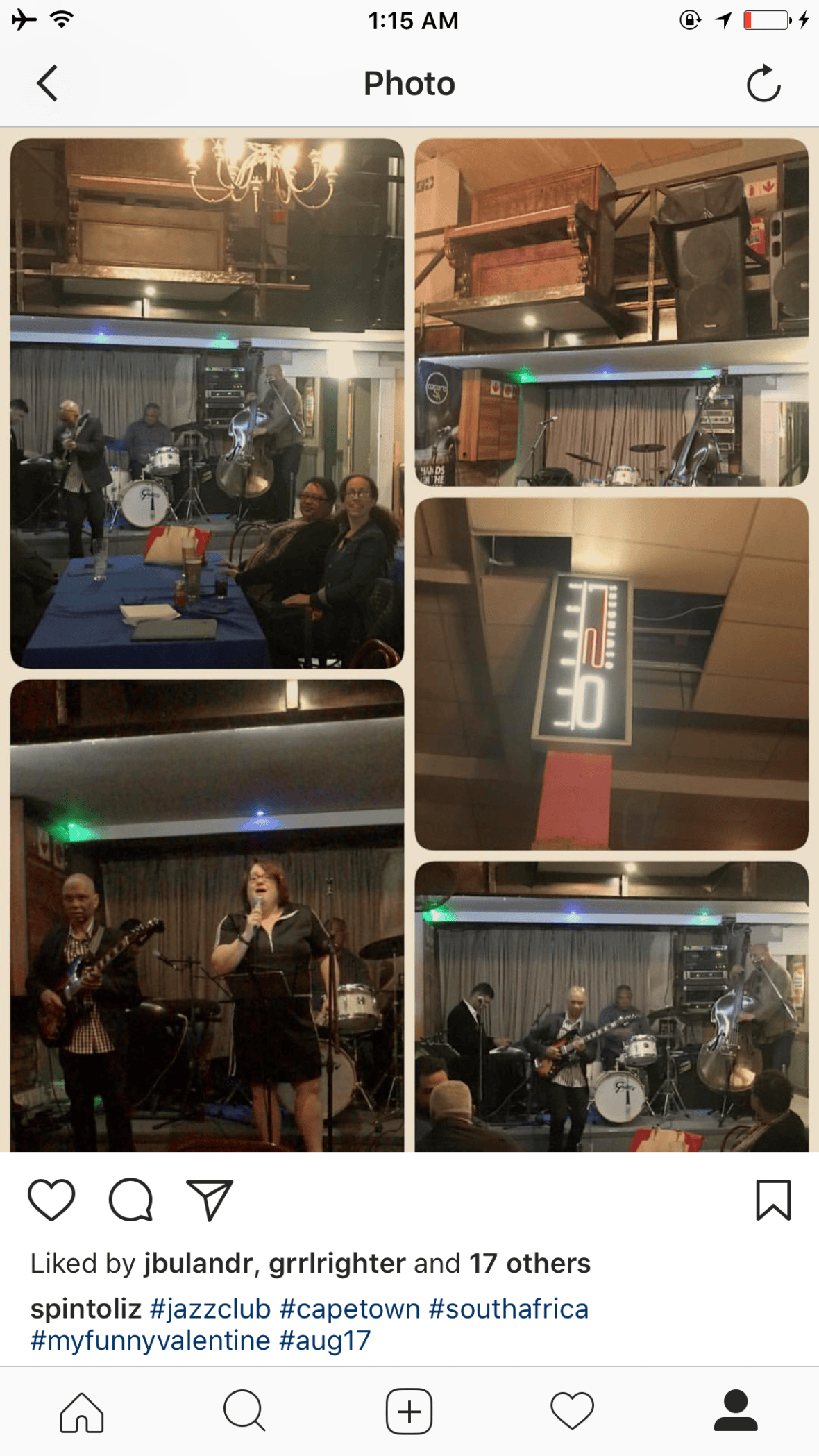
By this point, I was so happy not to be sweating all the time. The cool weather was wonderful. We were invited to Tarnia’s brother and sister in law’s lovely home on Sunday for brunch. They live in the Bellville area which was a whites only area up until the 1990s. I finally had a chance to meet Tarnia’s Mom and Dad. They call them “Ma” and “Pa.” My friends would have been considered Cape Colored during apartheid so they weren’t allowed in many areas. Families were taken from their homes (belongings were put on the front lawn) when they were young and moved to certain less desirable areas specified only for their race. I can’t imagine.  Brother Clinton made tasty braai for lunch. It was delicious. Afterwards, we visited their friends in various neighborhoods including Tarnia’s hometown Ravensmeade, Uitsig, Ottery, and Moundview. These neighborhoods span the spectrum from affluent to poor. In the evening we heard an amazing jazz group of music teachers and students from the Cape Town area called “out of town.” They invited people to come up and sing and so I sang “My Funny Valentine” with them. It was a lot of fun. 

Monday 8.7.16 in Cape Town included a trip to Victoria and Alfred waterfront, big wheel ride, seafood at Quays, trip to Table Mountain national park to the wonderful Signal View Hill, and a sit in and sing with a SA community choir “ComArt.” The parking garage by the water front only cost 1 dollar American which is considered expensive for the locals. People were paragliding on Signal Hill. We were able to see the sun set and moon come up simultaneously. Singing with the choir was amazing. The director is an opera singer and teacher. She was very vibrant and effective with the volunteer group. The people were so joyful in their singing. Very robust and heartfelt. It was in a community center originally made for colored people so sadly it had very minimal amenities. It was a real treat to sing with this group. We ended the night by going to the amazing Capetown casino called the GrandWest. It has restaurants, ice rink, movie theater, auditorium, music arena, and stores. It is extremely nice. Much nicer than most I have seen outside of Las Vegas. Our friends enjoy Burger King so we enjoyed their spicy burger favorite, the “Fierce” Burger.  

Tuesday and Wednesday 8.8.17/8.9.17

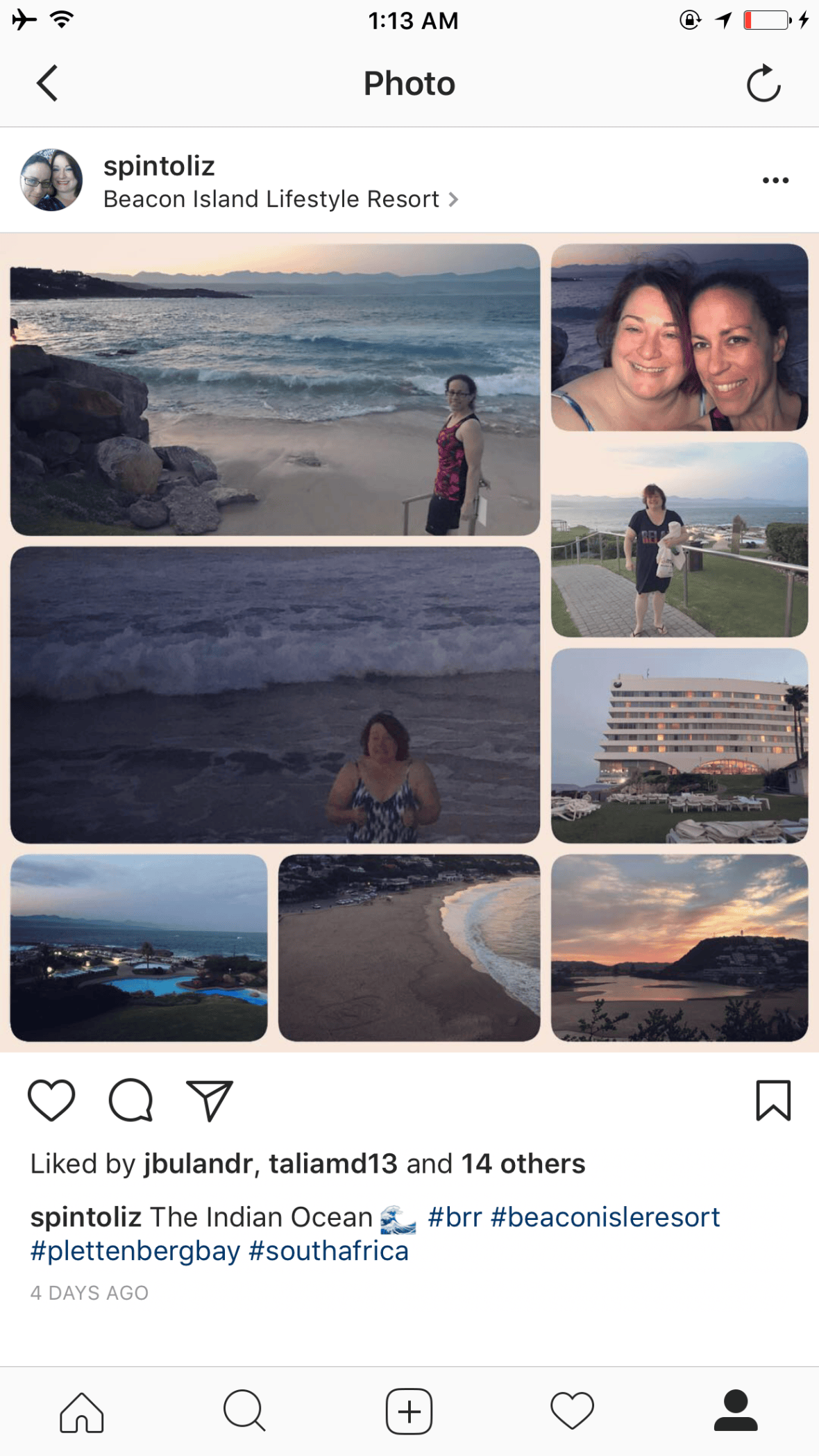
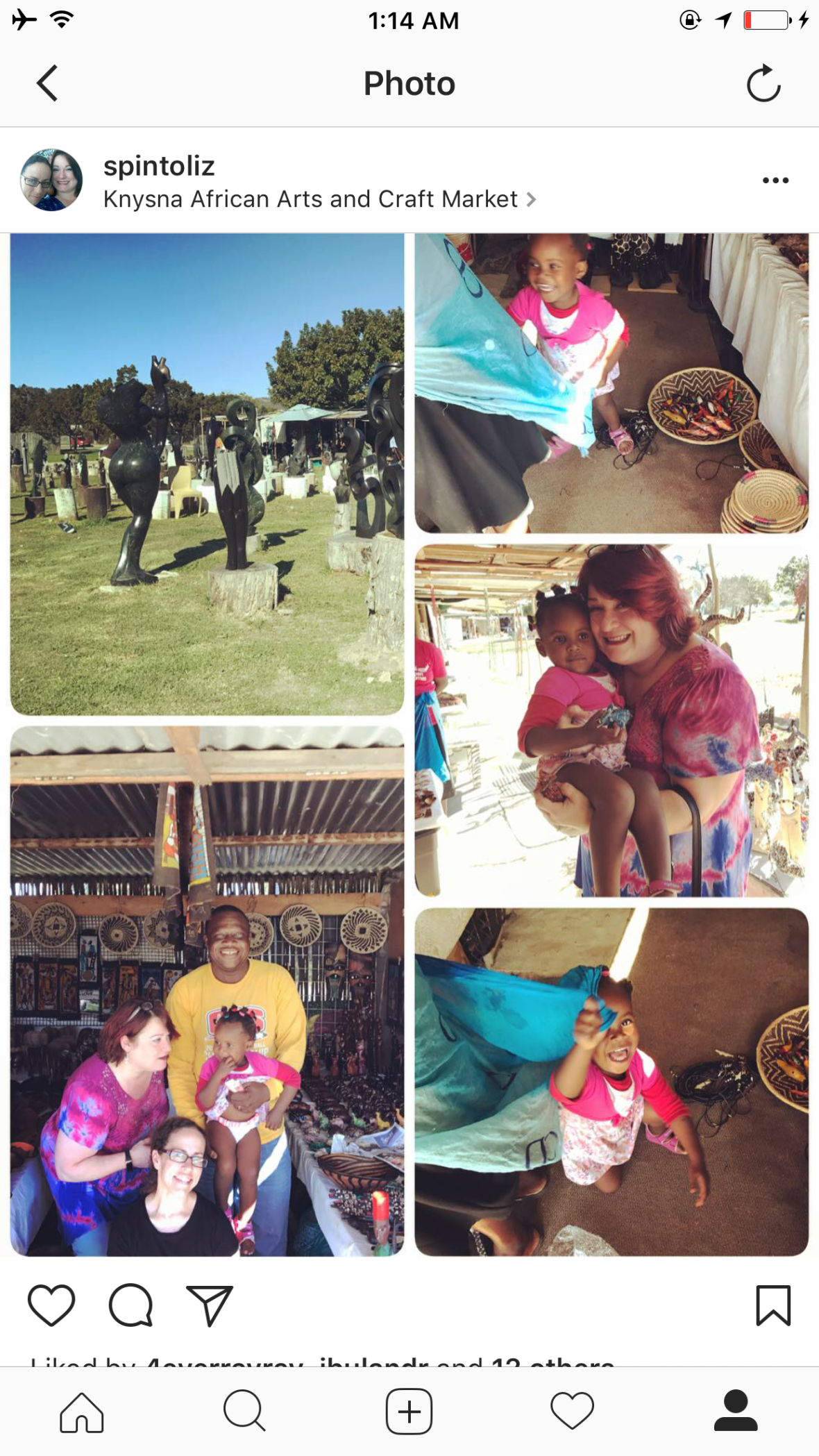
We took a road trip to the southern Cape of South Africa. It was a 6 hour drive from Cape Town. We stayed at a beautiful resort called Beacon Island in Plettenberg Bay. It is an ocean side town. The mountains and canola fields on the drive down were beautiful. Many of the tourists at the resort were from Australia and Germany. We didn’t meet too many Americans. We were somewhat of a novelty. Our friends introduced us as the American Lizzes from NJ. More than a few store vendors would chuckle and say to us “Americans? Trump?” We had an elegant dinner at the resort. Dinner for 4 people cost only $75 with tip. The views of the beaches, mountains and forests in this area are amazing. We visited Plettenberg, George, and Knysna (which was sadly affected by a terrible fire in May of this year.) As we drove, we would see people living in settlements of shacks throughout the area nearby expensive housing. The great diversity of wealth is very significant in this country. We went to an African market and bought beautiful handmade wooden bowls, malachite jewelry, and my personal favorite, wall masks. We met a sweet little girl named Gloria (maybe 3 years old) who ran up to us when we arrived. We enjoyed playing hide and seek with her. Her bright smile was infectious. That evening, we visited friends of our host (Noelene and George) who live in George, SA. Our friend and her friend prepared delicious appetizers and seafood entrees. Noelene speaks English, Afrikaans, and Xhosa (language of the indigenous Africans.) She tried to teach us words with the indigenous click. Not easy to do. The curse words were much easier. πŸ˜‰ George took us in his new and very fast car to a beautiful lookout point in the town. The stars and skyline were amazing. Outside of their beautiful development, you could see a big settlement of shacks which is heartbreaking to view. They also had zebras and springboks (national animal) just hanging out in back yards. Elizabeth greatly enjoyed the southern stars. She had a special astronomy app that identified various objects in the sky like the southern cross, centaurus, ara, phoenix, telescopium, and the Milky Way. Her father, Frank, is an amateur astronomer and builds telescopes. He has taught her a lot. Her Mom and Dad are going to Nebraska on August 21st to see the solar eclipse. 

Thursday 8.10.17

We got to go on a safari at the Plettenberg Game Reserve. It was a 2 hour tour drive through their reserve of animals. The ride was bumpy and not necessarily on paved paths. I actually needed a blanket as it got cold. Animals came right up to the safari. We saw elephants, zebras, springboks, waterbucks, ostriches, hippos, crocodiles, cheetahs, rhinos, giraffes, wildebeest, lions, cows, and African dogs. The Lion looked a little tired where as the female looked like she ran the show. Our guide, Evans, was very nice but his English accent was hard to understand so we didn’t catch too much of the detail. We made friends with a little boy in front of us who couldn’t have been more than 2. Hide and seek was also a popular game with him as it was with Gloria at the African market. We were the only Americans on the safari. Others were European and South African. After the safari, we went and shopped briefly at downtown Plettenberg. I found a swimsuit at Woolworths so I could go swimming. Woolworths in South Africa isn’t the same as the former US lower priced version. Woolworth clothes in South Africa are a cross between Macys and Target. They have stores that sell furniture and food too. I went off on my own to shop but quickly realized that there was no uber in that area. Thank goodness for the mugg and bean (somewhat like Starbucks) and their wifi. What’s App saved the day and Elizabeth came and got me in a cab. Again is was really inexpensive; 8 dollars round trip. Our cab driver was very personable and told us he was named after a great African American actor. I guessed correctly that his name was Denzel. I told him how much I love their “grapetizer” and “appletizer” carbonated drinks. He was shocked that the US doesn’t have these drinks. He said “but the US has everything!” These drinks are fabulous. I sure wish we had this tasty beverage at home. At sunset, Elizabeth and I went into the Indian Ocean. It was a short jaunt because it was very cold. We enjoyed, instead, the lovely hotel heated pool. For dinner, we ate Indian food at the hotel. Again I was amazed that dinner for 3 was $40. The hotel music reminded me that I am no longer a “spring chicken.” I noticed that the music playing at the hotel is mostly music I grew up with; 70s and 80s tunes. I guess they are catering to my generation. We must be the middle aged folk bringing their family on vacation or perhaps now even empty nesters on holiday. Not sure when that happened. :-O 

Friday/Saturday 8.11.17/8.12.17

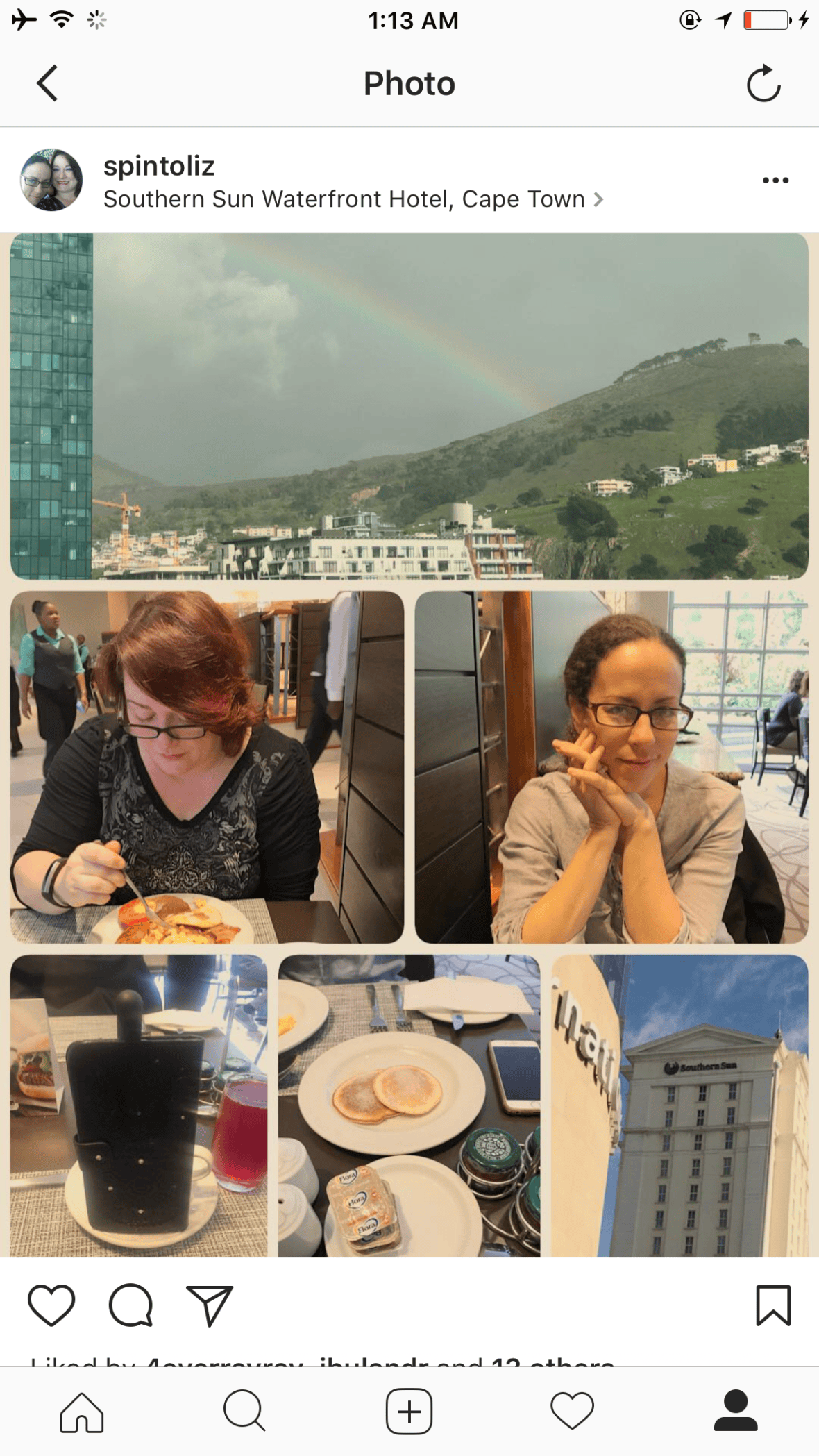
We drove back to Cape Town on the N2 highway. For the weekend, Elizabeth and I booked a hotel on the Cape Town waterfront. The waterfront is a very exciting place to be. There is a lot to do. Apparently, long street is the place to be. Alas, we didn’t make it there. When we got to the hotel, we crashed; myself falling asleep in my clothes. It was a great week but a busy one. On Saturday, there was a big complementary buffet at the hotel. No small countertop like the US but an extensive buffet with a variety of eggs, breads, meats and made to order omelettes. It was so good. We then met Alfred, a very friendly uber driver from Zimbabwe, who took us to a winery called Boschendal. This is one of the oldest wineries. It was established in the 1600s by a French family escaping religious persecution. The wines were wonderful. I especially loved the dessert wines. Go figure. Eliz loved the Blanc Noir. We purchased another suitcase so we could bring home wines. Our friend now, Alfred the uber driver, offered to wait for us and take us to our next stop. He and many of the other uber drivers speak of america very positively. Alfred in particular spoke about the opportunity there and how he respected our country. He clapped with joy when we gave him a 20 dollar tip. He took us to Tarnia and David’s house for a dinner she was hosting for their close friends. They had a fire going and Tarnia made a wonderful meal. It was wonderful to speak to her peers and listen to their stories about South Africa. This included what it was like to be white during apartheid and the guilt and privilege attached. This county has come so far. 

Sunday 8.13.17

On Sunday, we went to the town of Hermanes. This town is known for whale watching. Tarnia sings with the Stellenbosch Libertaskoor (choir.) They were presenting a concert at a Dutch reformed church. The choir did a variety of selections including traditional African pieces, selections by talented composer Karl Jenkins, and a medley from the movie Selma. The choir was terrific. They had a great spirit and showcased wonderful soloists. Eliz and I were given a pair of cool bead necklaces that the singers wore in the concert. Afterwards, we shared Indian dishes at a restaurant called Bukhava. The food was amazing. This restaurant is themed after District 6; a neighborhood in downtown Cape Town that historically suffered under apartheid. 

Monday 8.14.17

On our last day, I had a wonderful voice lesson at the University of Cape Town with renown voice teacher, Virginia Davids. Virginia is a longtime friend of Tarnias. She has a tremendous voice studio. She has trained many stellar students who perform worldwide. She herself sings the same repertoire that I sing so she had many specific insights to share. We had a great session together. She told me that she will get me an audition with Cape Town opera. I look forward to keeping in touch. It was a trip highlight. After the lesson, we went back to the Cape Town waterfront and enjoyed a champagne sunset cruise. The ride was a little bumpy for my motion sick self but I persevered. We picked up our luggage at our hotel and headed to the airport at 8pm. Tarnia was working at an Artscape music festival and Clinton was in Johannesburg so David saw us off at the airport. I will miss them. I hope to see them in the states soon. The security at Cape Town airport was very low key but I got fully felt up in Amsterdam. They don’t play. Security was so tight. The agent laughed and said that we can’t blame it on Trump though because it has been like that since the 1980s. Our layover was 4 hours but alas we wouldn’t have been able to leave the airport and make it back in time with security. Someday we hope to visit for real. 

The trip was amazing. I was sad to leave. From the safari and outstanding views, to the local people and delicious cuisine, (and appreciated hiatus from the oppressive US news cycle) it was a tremendous trip. #grateful

VOICE LESSON IN SOUTH AFRICAΒ 

My voice lesson with Virginia Davids at University of Cape Town

 8.14.17 

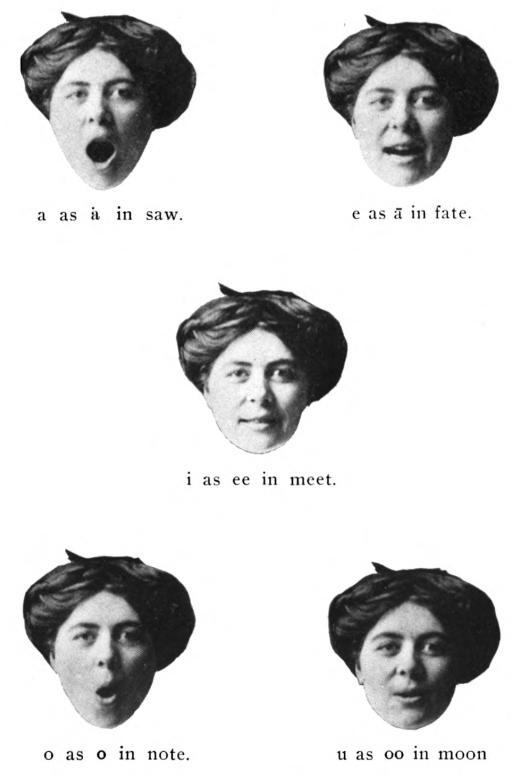
I’ll be honest. When I walk into a college music school, I get really excited. The energy is infectious and renewing. On the last day of our South Africa trip, I was fortunate to take a voice lesson from a vocal teacher at the University of Cape Town. My friend Tarnia is close friends with Virginia Davids. Virginia is a top South African voice teacher on staff at UCT. She has nurtured and built the careers of many current international opera singers. It was a gift to get to take my arias to such a technician and receive her insights. I do mostly vocal coaching anymore so getting a chance to work with a voice teacher who works with advanced singers is special. And she is kind. She is no nonsense but is warm and insightful. I felt safe within 10 minutes to bear my singing soul; not an easy thing to make vulnerable. Virginia sings similar repertoire to me which is very valuable. She has wonderful ears. She caught my less than clear Ahs, lack of breathing, and too precious oos in the first 10 minutes, lol. My singing bucket was filled with constructive feedback to take home and implement. I am so grateful to have met her and plan on keeping in touch and hopefully auditioning for Cape Town Opera in the future 
Great reminders from today, a variety of singing vocabulary, and keen insights I took away from our work:

1. Take time to breathe. It’s amazing how little time I take to breathe. Don’t continue phrases on stale breath.  

2. Use all of our chakras when you sing. I love this so. 

3. Make space to accommodate the size of your instrument. In my case, I am not giving my instrument enough room. She said colorfully, my hole is too small;-)”

4. Don’t sing too preciously. Sometimes a byproduct of singing in a lovely but homogenous choir setting. 

5. Use your whole body to sing. Sing below the navel, between your legs, with your bosom; lol. 

6. When you sing an aria excerpted from an opera, you have to engage the drama right away. Let me hear you think dramatically.  

7. Feel release of top and bottom molars by ears. 

8. Don’t close the throat when you start singing. Ride the wave; canoe on the stream. 

9. Find open throat space behind the tongue. 

10. Always find speaking place: lowers larynx. 

11. Make sure these three are active concurrently: mask, anchor, and support. 

12. In my case, have a higher Eh vowel. 

13. Find more vertical ah vowel on upper extension and horizontal support with ribs and back. 


WHEN IT’S TIME TO CHANGEπŸ‘

WHEN IT’S TIME TO CHANGE, YOU’VE GOT TO REARRANGE😊

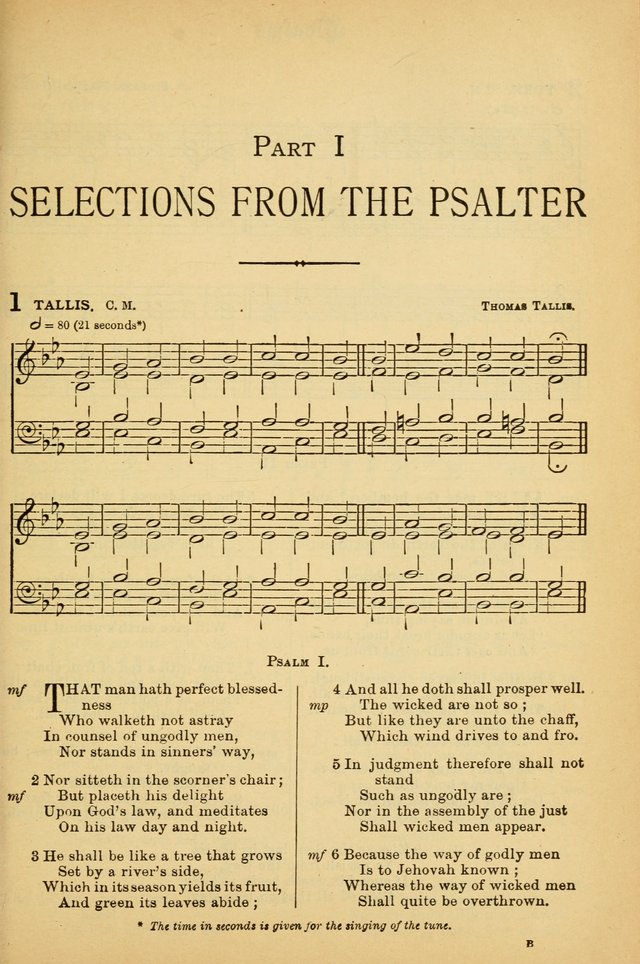
Today was one my favorite Sundays at church: Hymn Choice Sunday. I have been singing hymns since the single digits through all of the lyric and style changes since the 1970s.

Pastor Don spoke about how hymns have come to being in many different ways; e.g. tune first, words first, or words and tune at the same time.

It made me think about my Christmas Carol unit at school. I love to connect history and music with my elementary music classes. The chorus may not sing “Go tell it on the mountain that Jesus Christ is born” as I did in grade school (which I don’t think is such a bad thing to avoid in a culturally diverse public school,) but we do get explore and make music with these historic pieces.

The kids are always so surprised when they learn that many of the songs we consider Christmas Carols in the modern age were not originally. Many were edited in the 1500s from pagan tunes to have a Christian message. The “Twelve Days of Christmas” tune was written over almost a millennial ago and had nothing to do with Christmas. And of course Jingle Bells, however popular at Christmas, has nothing to do with the holiday. It is a song about sled racing.

Pastor Don spoke about the Orange, NJ native composer who wrote the tune to “Joy to the World;” a couple hundred years after the words were written. Change was happening in the 1800s as people were moving away from the staid Scottish psalter tunes; looking to worship with updated tunes more reflective of the time.

As with anything, making changes, updating traditions, and including more people is often met with great fighting, sadly most often in places of worship.

Luckily, beloved tunes like “Joy to the World” braved the backlash and controversies and we have this wonderful piece to sing at Christmas.

The great art of life is sensation, to feel that we exist, even in pain. Lord Byron.

#akintsucroonerIMG_7335.JPG

Type A Singers

IMG_5944.JPGIMG_4805

Type A Singers: Leaving The Control Freak Singer Lifestyle
By E. Perryman
Blog: akintsucrooner.wordpress.com

“When I let go of what I am, I become what I might be. When I let go of what I have, I receive what I need.” Lao Tzu

Singers have a lot of catch phrases. Some are helpful, others mysterious, and many immobilizing. One of my formative voice teachers used to tell me “you’re voice wants to be beautiful Elizabeth, let it.” Of course that would mean uncovering all of the layers of “constructive criticism” I received of what I “shouldn’t do” when singing even though I was only in my late 20s at the time.

Many singers don’t start out singing flawlessly. There is a definite pedagogy to singing whether it is relayed via imagery or physicality. You build vocal technique so you can sing with technique that cannot be seen.

So when my teacher said this to me, all of my singer faults would come rushing back e.g. don’t push, too breathy, not too dark, avoid placing, watch spreading, not in the back of your throat, bigger breaths, don’t use your jaw, relax your larynx, lift your embouchure, drop your shoulders, less chest voice, too many diphthongs and so on.

What seemed like an innocuous comment at the time was an epic singer feat.

At 48, I have uncovered much of the bandaid technique that I relied on for years so I could control how I sang. This freedom has come by finding my core sound by sensation (not by what I hear in my head,) as well as singing with the voice I was given and not the voice I thought I should have. The singer faults that were diagnosed by teachers and well meaning peers were accurate but drawing attention to the results of not being a free singer, only made me even less free.

I was fortunate to have inherited a formidable instrument from my gifted parents and have a strong will. Despite significant technical issues, I was able to sustain the life of a singing teacher and come out on the other side.

As a result, I can see others do the same things I did. I can relate to the frustrations. I understand the desire to control. Controlling is good when you need to learn music and roles but isn’t useful when making sound.

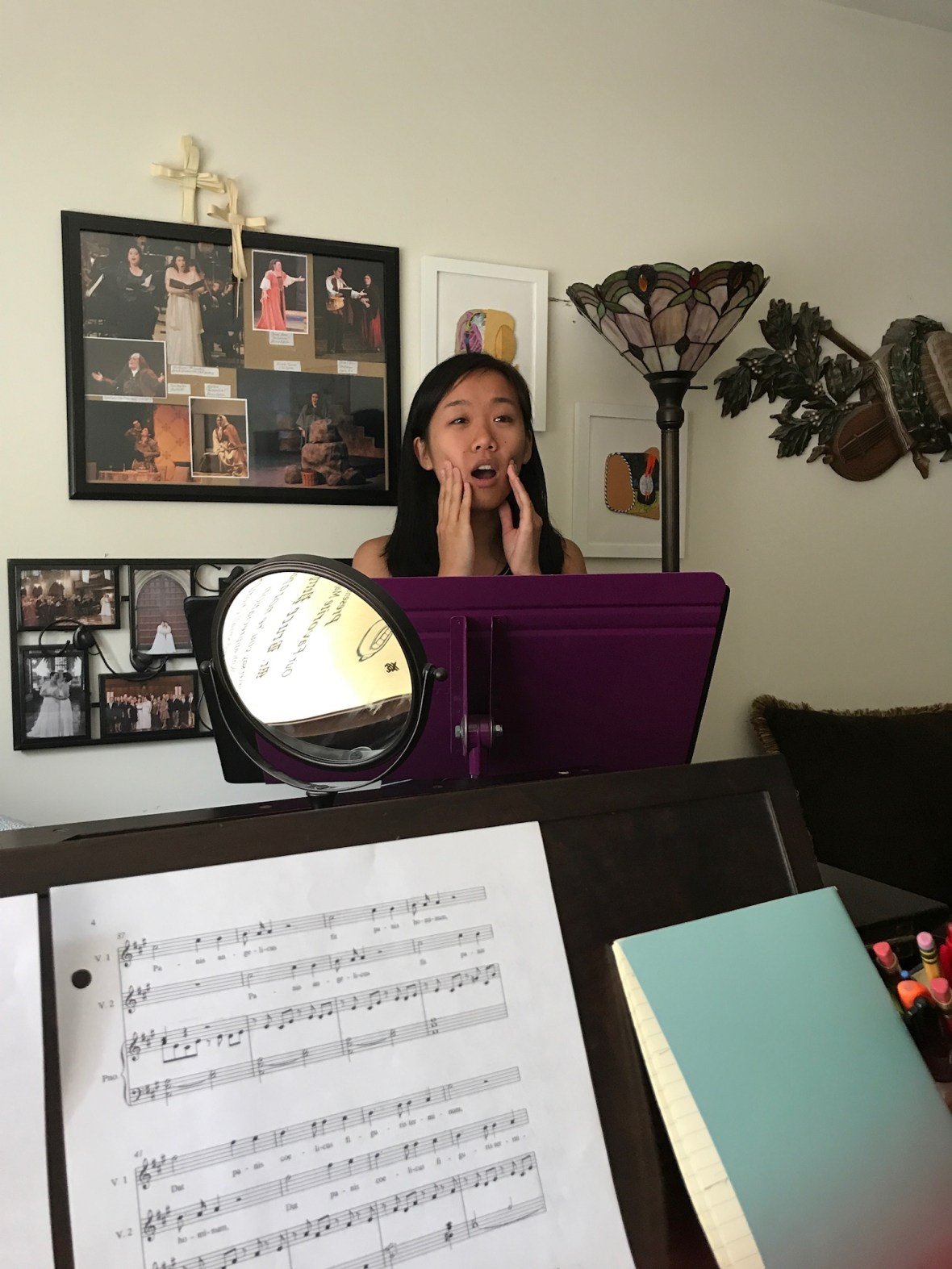
My wonderful student shown above came to me a few years ago as a light soprano coloratura who struggled with cracking in the middle (been there,) had difficulty singing in the lower and upper passagio, (oh can I relate,) and had lost ease to her top (my reality the year after my master’s degree) which should be the most natural part of her instrument.

And slowly, the layers of doubt and need to control have peeled back. She sings much more freely now without a break and has reclaimed her silvery soprano lilt. Most importantly, she loves to sing and is dedicated to sharing her gift.

As much as it is attractive to hunker down, get involved, and control the singing process, especially when we often field singer critiques, it will bog you down and eclipse your sound. If gone unchecked for too long, it will begin to diminish your ability.

β€œWe must be willing to let go of the life we’ve planned, so as to have the life that is waiting for us.” Joseph Campbell

#akintsucrooner

Singer Transparency

From October 2015

IMG_5645

Insights on being a singer who is paid to sing well and depends on the voice everyday…..

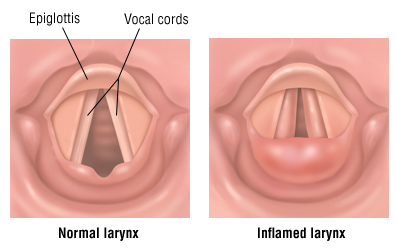
Last Friday: I woke up with about 20 percent voice. At 46, after a few degrees and many lessons, my usual singer percentage is in the 80s. There are a handful of days each year that are 90% and above. This past Friday, my vocal cords were very thick from allergies, fatigue from 14 hour days etc. I could sing extreme low and high but I was very breathy in the middle. I had much singing modeling to do at school and 4 services to sing on the weekend. My saving grace was having a vocal technique that gets me into core sound and on the breath as much as possible. I was also grateful for forgiving kids and a Friday night off to sleep 10 hours.

Last Saturday: My voice worked at medium loud and louder. Luckily my services were with other singers who were able to spin out lovely pianissimos. I needed much air to get the singing motor on the road. This was my rusty jalopy day. I was moderately depressed about my singer existence.

Last Sunday: My breathy middle went away but I still needed the best diaphragmatic support I could maintain to sing with needed artistic bells and whistles. I was able to sing respectably at an 830, 10, and 12 noon mass. This was my 6 Cylinder Bonneville day. I felt relieved.

Today (Tuesday:) As if the past few days were a dream, I woke up just knowing intrinsically that I was running on all singing cylinders. I was a Mazda 6 with varied dynamics and clearly, blended registers to boot. I felt very grateful.

And I think to myself, as I reflect on this mini road map of the life of a singer, that I am lucky that I don’t get paid the big bucks to sing with the most perfect, dulcid tones for people who feed their ear with mistake free CDs. I can’t imagine having to endure the mental anguish knowing that your voice, not unlike an athlete, has to keep step with a major league acceptable batting average in order to keep the jobs a coming and remain gainfully employed.

Yes, singing has a pedagogy. Singing takes a lot of energy. Singing involves a lot of brainwork and teamwork. Singing is unpredictable and exposing. Singing is highly critical. Singing is an emotional roller coaster. And singing can be the most extraordinary thing in the world that brings my full brain together and something that I haven’t been able to live without… #kintsucrooner

Vowels and Tongue and Jaw, Oh My!

IMG_5644

From September 2015

Is the ultimate singing Beelzebub….high notes? Nope. Is not breathing well is the vocalist kryptonite? If only. How about standing with the most erect posture and dropping that blasted jaw? As if.

None of the above shall capture phonation’s prince of darkness. Rather it is the seductive glance of closing vowels, especially in the interior of the phrase to β€œhit” that high note or reign the most royal in a long phrase contest.

Tis amazing how much havoc Lucifer can wreak when we give into the randy appeal of forming our tongue just so, shrinking our Italian vowels out of fear, and dropping our jaw to our neck so we can β€œget” that note.

For every habit we have formed, there is an insecure little vowel that didn’t have the self confidence to stand strong against the great singing snake temptress. A vocal villian that if employed for enough years, will diminish our organic facility that once just needed the tlc and affirmation that fibrous open vowels is the road to the promised land.

What habits lurk for you and need to be emancipated?
#kintsucrooner

Fear Technique

From February 2014

IMG_5642

FEAR TECHNIQUE
Fear
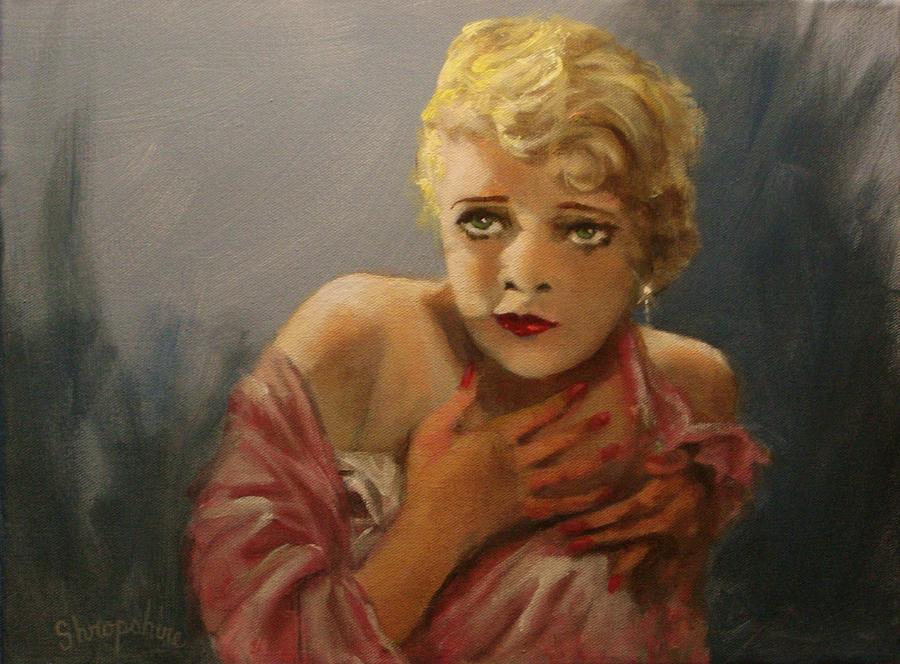
(β€œFace Of Fear” by Thomas Shropshire)
Louisa May Alcott:
I’m not afraid of storms, for I’m learning how to sail my ship.
Learning how to sing well can inspire a host of fears. Once these habits have been lovingly embedded, having the courage and trust to peel off these layers is a daunting task.
1. Fear of not making a perfect tone.
2. Fear of not being able to hold out a note long enough.
3. Fear of having the wrong vibrato.
4. Fear of not being the right kind of singer.
5. Fear of not singing with support.
6. Fear of not opening your mouth enough.
7. Fear of letting go and working with a sound you may not like.
8. Fear of not being able to find the correct sound again after you have finally got it.
9. Fear of singing and breathing where you speak, only hard work brings good results.

From these fears, a technique is crafted…..
1. I hold with my sound my jaw so I can control it.
2. I neutralize and cover all vowels so they are consistent and attractive.
3. I grip my neck with the correction consonant and vowel pronunciation so I can have better diction.
4. I learn train my larynx to work properly by depressing it.
4. I use my embouchure to make the sound.
5. I close off the space inside to find the right position.
6. I blow air so I am moving the breath in the right way. It will help to sound like a real singer.
7. I tighten my stomach to make sure I took enough breath for a long phrase. It is not ok to run out of breath.
8. I make sure I land on each pitch so I can make it exactly as it needs to be.
9. I make sure to practice singing the note correctly over and over again so it will always sound the same.

Some voices are strong and natural enough to withstand these artificial fixes without much consequence. I was always envious of this strength. My voice didn’t allow the band aid technique. I wasn’t able to mimic. I think of it as a blessing now that I have found the path. When I struggled vocally and wanted to do whatever it took to make sure I didn’t crash and burn, I didn’t feel so blessed…..

β€œWhen I let go of what I am, I become what I might be.” Lao Tzo

The Book Of Judges

IMG_5641From March 2015


My singing satchel is filled with various tools that I have collected along the long and windy voice lesson path. Some tools were temporary and have worn away. Some tools have worked since undergrad regardless of my progress and help me out even today when the going gets tough. No teacher gave me everything, but everyone gave me something. Some teachers however were more well suited to my viscerally vulnerable self.

One of the most enduring overall approaches came from the body and emotional work that I did at LSU with Patricia O’Neill. I was fortunate to take her performance craft class twice. By the time I was at LSU, I was a doctoral student with many insistent voices in my head telling me how it should be done. If I could, I would hereby declare that her performance craft class become part of the applied college music curriculum and implemented into all schools of performing arts, regardless of instrument.

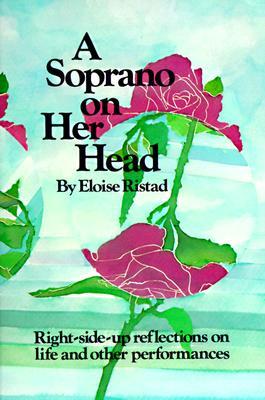
In this class, we studied the book β€œA Soprano On Her Head” by Eloise Ristad. This is not a book for just one voice type. It has insights for all performers. One of the chapters of the book that stands out for me is the book of judges. What goes on in our head while we sing? What voices interfere with production or in my case, keep you safe from really stretching? This work has been ongoing for me; I am making progress. I was told that I am not a safe singer this past year and it gave me great joy.
Today, my voice student and I discussed her book of judges and we named them. We delved into reasons why the judges are needed and why we create them in the first place. She is a tremendous musician and I am grateful to have crossed paths with her. Doing work like this with her is humbling. And, she implements so quickly. It a joy to witness.

Ristad Book Insights:
β€”Ways to avoid the chatter of internal judges that help singer nervousness
β€”The connection between music and movement
β€”Practicing with quality rather than quantity (especially in singing imho)
β€”Achieving performance goals surround the journey not the end result
β€”Envisioning the staff as vertical to visualize the up and down concept of singing
β€”Using visualization
β€”The importance of incorporating various techniques to achieve your own custom approach

Top Seven Roadblocks Classical Singers Put On Their Singing Path

IMG_5640

From July 2015

TOP SEVEN ROADBLOCKS THAT CLASSICAL SINGERS PUT ON THEIR SINGING PATH
FROM THE GOSPEL OF LAMPERTI:
β€œI have observed how little attention is paid nowadays to individualizing. No two persons are exactly alike, much less any two pupils, In vocal teaching, especially, it does great mischief to try to make one shoe fit every foot.” (Lamperti, (1839-1910)
I was a pain in the butt voice student, especially with my father as my teacher. Ok, ok, so parents teaching their kid is a hard dynamic but I didn’t help the process any. My iron will that helps me to achieve as well as helps me to clash with the world around me. It has been present since middle school however I tried to mask it with my fear. I was able to build solid pedagogic singing tools from my various voice teachers. Not all from one but a healthy doctor bag that I turn to often from a host of gifted communicators. My stubbornness….I mean….strong will, that I inherited (probably mostly from my German grandmother,) is what has kept me at 46 still pursuing this competitive, demoralizing, political, amoral, ravishing, fulfilling, centering, and spiritual singing career, albeit part time. When I work with singers privately of all ages, I find some of my same barricades that obstruct their vocal freedom. It has been such a blessing to work with these singers and take a tandem jaunt on their singing road. And, I believe it is not all about voice category. Fach, smach. Sure, there is a lot to be said for working with your voice type but finding your voice involves takes a lot more that specificity of those who dwell in the same vicinity. It is amazing how certain things pop up when least expected with students from aged 13 to 70. Many of my singers combat similar vocal gremlins as I did and still do. So here goes: the top seven roadblocks that classical singers put on their singing path.
#1 MAKE ME BARBRA, DARN IT!
STUDENT: I want my voice to sound like….. (Fill in your flavor) And PS: I don’t sing high.
A voice is unique to us alone. We can train and blend the registers, find our core, and extend our range BUT, as much as I would love not to have an apple body shape, there is only so much you can do within in reason. Sing with your voice and communicate what makes you tick. High priest and priestesses are we. Sing your vocal map. We are athletes. Some people actually have to find their upper register, it doesn’t emerge in 7th grade like Janet Perryman, ready for her to sing β€œCaro Nome” at 12. Your tessitura will evolve and you will find pieces more suited to your abilities. But deciding that you can’t sing in a certain area is like a pianist saying, I don’t play the top 44 keys.
β€œAnd all meet in singing, which braids together the different knowings into a wide and subtle music, the music of living.”
#2 I PRACTICED FOR 4 HOURS!
STUDENT: That can’t be right because it feels like I am not doing anything.
The coveted type A work ethic is great when learning music, mastering languages and memorizing scores but when trying to release your most organic technique, it can create major vocal blockades that worsen with age. Letting go is the most scary and wonderful thing at the same time. It is a great high when vocal freedom makes a cameo appearance. I have found that each singer has one type of natural ease that they do without an issue. Mine is the blend that I have always had around middle C. The end of Verdi’s Libera Me in the Requiem is always so fun to sing. Being a soprano with this ease helps me with the big rep. For some of my students it is a certain vowel or fioratura. I am convinced everyone has something.
β€œKeep a green tree in your heart and perhaps a singing bird will come.” ~Chinese Proverb
#3I IT’S TOO TIME SQUARE!
STUDENT: That is too forward and Broadway-sounding. That doesn’t sound like what an opera singer is supposed to sound like…..
There are many lessons that we can learn from each other in the performing arts. I don’t believe in a hierarchy of singing types. Perhaps there can be a scale with performers who are most able to connect with the audience. I have always admired how direct Broadway singers produce their sound. I have never been a good mimic which was great for my growth because I didn’t copy other singers which can be common problem. In my own experience, I have tried to β€œmake sound” far too often. It was only when I found the ease of breath, articulating with my lips teeth and tongue naturally, that my free sound followed. β€œHow we sound is none of our business” said my fabulous Bayou voice teacher guru, Patt O’Neill. She was right.
β€œYou don’t love someone for their looks, or their clothes, or for their fancy car, but because they sing a song only you can hear. ~Author Unknown
#4 STAND UP STRAIGHT AND TANK UP
STUDENT: I need to sing with proper breath support and good posture.
There is pedagogy to learn about singer’s breathing. And you won’t always get to sing vertically. Could you sing on the floor? I think David L. Jones is one of the best contemporary articulators of the breathing technique that I have seen. When support becomes muscular, contrived, and off the body, it is worse to use faulty breath technique than to not take a breath. When I ask students their concept of breathing, most don’t have too many opinions. And the ones that are support and posture disciples usually have significant tension issues. In my journey, Alexander technique has helped me with finding healthy posture and breathing. Finding my core sound connected with the balance of breath has helped me. Unlearning the drop your jaw and stand up (unnaturally) straight chorus commands of my youth has helped me. Some voices are so balanced that they can sing without a real cognizance of breath support. But there is a method and it must be connected to your authentic sound production for the most enduring phrases. And then, some people just have thicker cords that are harder to vibrate and are a lifelong challenge.
β€œBreath is Spirit. The act of breathing is Living.” ~Author Unknown
#5 SING OUT LOUISE! DROP THAT JAW AND OPEN WIDE!
STUDENT: I don’t sound loud enough. I need to sing with a lot more air and open more.
There is a reason why the baby cry is so audible. They don’t have to strain to get a tired parent’s attention. They are making sound completely honestly without any β€œsupposed to” rhethoric floating in their memory bank. For most singers, singing outside of what the body reveals only gives recipe for vocal grief. Too bad we lose so much that is amazingly natural from our early years. The best bet is to β€œfind your frequency; use your lips, face, jaw and mouth as β€˜sound enhancers’ or resonators. Hook the sound and body together as you sing.” So many singers have, however unconscious, belligerent tongues and jaws that impede the sound. These tensions can be so familiar that singers aren’t even aware. It may take vocal cracking to show the seriousness of the tension. At one time, holding the tongue or jaw may have seemed have helped to make sound and it stuck. Stripping these layers will help exponentially with vocal production. Be kind with your dynamic range. Your dynamics will not be the same as others. Don’t drive yourself batty trying to sing the same as your neighbor. Dynamic β€œkeeping up with the jones” is a no win situation. My pianissimo has its own personality and isn’t always useable in delicate choral settings. Hence, my big girl pants soprano 2 placement…. After undergrad is when you realize that β€œsoprano 1” doesn’t mean better….
β€œThe Baby Cry with the frequency range of about 2800 to 3200 Hz is the easiest one for us to hear.”
#6 A…E…A….E…I…O…U..AND SOMETIMES Y?
STUDENT: It’s all about the vowels, consonants are less important.
One of my most treasured tools was the work that I did on consonants with Mark Thomsen when my voice was in its Prozac phase of my late 20s. Vowels were always the mantra but finding the consonant on the pitch, articulating on the breath, connecting vowels and consonant on the legato was an effective exorcism on my scared little demons. It helped me actually start a path of capturing a respectable legato. I still have more miles to go. I happen to favor the unvoiced consonants in my technique work but some of my students like the voiced consonants. It is very individual and oh so helpful when you can use your favorite consonant to ease into the most efficient vocal production.
β€œThe human voice has the capacity–as does no other musical instrument–to express not only music but also drama and literature. For this reason, study of the vocal instrument becomes not just technical and mechanical but also human. To be sure, the vocal cords function on a subconscious level and are best controlled indirectly, often through imagery. It is this fact that makes vocal training highly intimate and convinces other musicians that the personal nature of vocal pedagogy is an object of ridicule. (β€œWhat does that mean: send it up and over?” non-singers say with heavy sarcasm. β€œSend what? Overwhere?”)
#7 DANGER, WILL ROBINSON
Disclaimer-I sincerely apologize if I offend anyone but this perspective gets my goat…
STUDENT: TV singing shows that showcase singers without training are not worth watching. They don’t know how to sing and are beneath our art form.
Just as I think that those who judge children’s choral competitions are not really living in reality (many chorus students come before school and give up RECESS;) I also think that classical singers who snub singing shows are missing out. No, collegiate judge, I am not going to give my public school choir the most head voiced piece about butterfly and snails. I like NOT getting the stink eye from the boys in my choir and well, having them actually show up to rehearsal and like it. Boy soprano high note contests rule. Yes, there is technique to learn but the reality is that some people are just born able to make a beautiful sound that connects. And, enjoying performing, even if the piano was more mezzo and the ending consonants were a little unclear, is very important. Less schooled performers may not have the best vowels, and God forbid, breathe too often, but we would lose so many command performances if we only acknowledged the erudite artist. I am sure that vocal pedagogs could find plenty wrong with Whitney Houston’s Star Spangled Banner but I count that as one the best renditions that holds up to the test of time. I think our mission, especially as specialized singers, is to bring the sheer joy and wonderful life skill of music to others. It is not for everyone to strive to be Pavarotti. If Josh Groban’s occasionally brittle baritone can give solace to someone grieving, our job has been done.

Singer Shaming

From July 2016

IMG_5639

Am I fired up? Yeah, maybe a little… Is it about the 2016 elections? Not a chance.
No, this one gets me where I live. I hope my fellow singers, new and veterans alike will consider this my love letter to them.

I love to sing. I have enjoyed singing since I first started performing in shows as a child. It is a part of how I communicate. It helps me live in the now and grow as a human being. In some way, I will always pursue singing opportunities for as long as I am granted.

I was moved to write on behalf of fellow vocal performers after reading a particular post. Sadly, the post revered singers of late as being more unprepared than ever. The group think was startling. The historical revision was rampant.

Many of the greats in the last century were taught music and language by rote, some not even able to read music. There was no epic shaming for sub par languages and poor translations. If there was a problem, it got fixed. Many singers didn’t attend college much less pay for advanced degrees. Acting was a plus but staging could be built around master singers who weren’t inclined. Good looks were a bonus but not as crucial as they are in our instant visual age. All of this was done because of the world class instrument a singer carried; in service to an exceptional instrument.
Singers used to be groomed and taken care of by avid supporters. There were many more singing opportunities especially abroad. It would be interesting to compare the daily lifestyles of a regional opera singer from today and the past especially in lieu of the academic comparisons being made. If you aren’t able to sustain yourself financially in this day and age, you will struggle mightily to keep a career alive.
I guess this post struck a nerve since I see, first hand, how hard my colleagues and I work to keep singing. And more often than not, we pull ourselves up and continue to pursue our passion after countless rejections or absolute β€œtruths” of why we didn’t get cast.

We swallow our pride and search for any chance to perform. Many struggle with turning down roles even if it isn’t even in your fach e.g. baseball pitchers don’t usually get asked to play short stop for the experience. When we do get a job, it is usual a nominal fee; definitely not lifestyle sustaining. As an extra injury to our pursuit, we face real world scrutiny questioning our choice and talent ability in such a subjective field.

You will find many singers today who choose to pay others to sing a role. The idea of paying forward is common. You invest time and money on the off chance that you may open up opportunities. I have found that many times the greatest opportunities come from fellow singers. Singers are some of the most supportive and loving people I have ever met.

Most of us sustain full time jobs. If you are lucky, your full time job is also one of your passions. After the 40 hour week, we have lessons and coachings. In regards to lessons, singers often have to translate imagery into practical singing tools throughout vocal study. Physiologically minded voice teachers are less common. At first, it makes very little sense. β€œSing into the mask” WTF? β€œBreathe to your boot straps” Say what? β€œThink of your neck like it has gills” Come again?

Sometimes these ideas come back and finally make sense. Expensive advice is hard to retain though when the teacher is condescending. Many of us have long memories of these interactions and it affects our singing today. Because we always carry our instrument, we are vulnerable physically and emotionally. We often abide unhelpful approaches in the name of the art. And our voices have vastly different cooking times and temperatures. So much objective truth is applied to young singers who are just finding their way; so little active learning strategies are used in the studios. And once you find your ease and reliable technique, others view it as something you have always been able to do easily.

We take movement and acting classes. We work on off time to prepare music for various events. Fact: vocal music is not always lined up linearly. Text is not always legible. I often have to rewrite so I can read off the page.

If you make it to your 4th decade of living the life of a singer, you really love and need to sing. It is a part of who you are. And the life of a singer looks different for everyone. Singing with orchestra may come from sacred venues, an opera may be performed with a small crowd but it is all the same at the end of the day. We continue to perform in the hopes to share our gift and possibly heal. Those trans-formative performances never leave our memories and fuel us for the future.

So, I say, don’t let the shaming stop you from your passion. Find your outlet, produce your own piece, collaborate with others, but if it is what makes you forget the clock and your worries, you are doing what you were born to do however it translates.

#kinstucrooner